


How to Master RBI Grade A Syllabus as a Beginner?

There’s a lot of talk about the RBI Grade A exam these days. The truth is, RBI hasn’t confirmed anything yet. No official notification, no official syllabus. Right now, it’s mostly guesswork. Many believe the paper could look like RBI Grade B, just a little lighter.
For a beginner, this can be confusing. You don’t know where to start. You don’t want to waste time either. That’s where the idea of syllabus comes in. Even if it’s based on rumours, it gives you a starting point. It helps you set boundaries and avoid random preparation.
This post will explain why the RBI Grade A syllabus is so important for first-time applicants and how to start preparing effectively before the official notification is released.
Why the RBI Grade A Syllabus Matters for Beginners?
For a beginner, the syllabus is the first thing to look at. It tells you what to study and what to leave. Without it, preparation becomes confusing.
RBI has not yet released the official RBI Grade A syllabus. But many believe it will be close to the Grade B syllabus, just a little lighter. So you can expect subjects like:
- Reasoning
- Quantitative Aptitude
- English
- General Awareness
- Basics of Finance and Economics
Why does this matter?
- You get clarity on where to start.
- You can plan your time
- You don’t waste effort on unnecessary topics.
Even if the final syllabus changes a bit, most of your preparation will still be useful. Starting early with this understanding saves time and reduces stress.
Common Fears Beginners Have About the Syllabus
When you’re new, the syllabus feels huge. Many aspirants worry about:
- “What if the syllabus changes?”
- “What if it’s tougher than I expect?”
- “Will I be able to cover everything in time?”
These fears are natural. However, most competitive exam syllabi overlap. Your efforts won’t be in vain if you’re studying for RBI Grade A using the rumored Grade B-like structure. Your foundational preparation will remain solid even if some subjects change.
Avoiding overthinking is crucial. Be flexible, start with the fundamentals, and develop consistency.
Why Starting Early Gives You an Edge?
Since the RBI Grade A syllabus isn’t officially out, many aspirants wait. They think, “I’ll start when the notification comes.”
But that’s a mistake.
If the paper ends up being like Grade B, you’ll already be familiar with Economy, Finance, Reasoning, Quant and English. That means less panic, more revision.
If the syllabus turns out easier, you’ll still be ahead because you’ve covered the tougher ground.
Early movers always have an advantage. They can pace themselves, practice more mocks, and enter the exam hall with confidence.

How to Build Basics Before the Syllabus is Out?
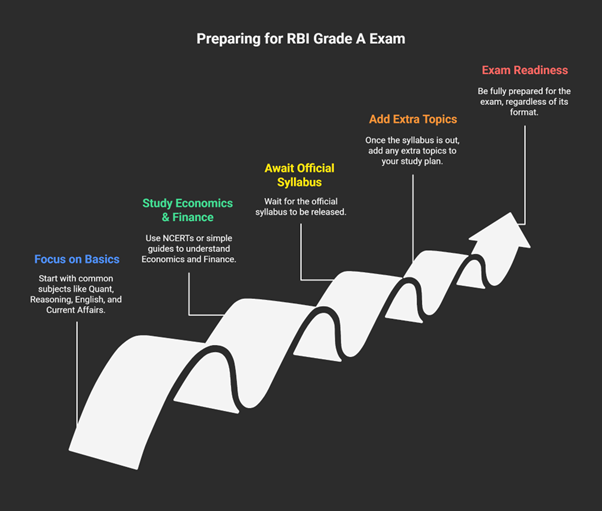
When the RBI Grade A syllabus is still a rumour, the best move is to focus on your basics.
Start with subjects common in most regulatory exams: Quant, Reasoning, English, and Current Affairs.
Pick NCERTs or simple guides for Economics and Finance. Don’t jump into advanced books yet.
Once the official syllabus comes, you can add the extras. This way, you won’t waste time, and you’ll be ready no matter what the exam turns out to be like.
Common Mistakes Beginners Make
Many aspirants rush into preparation without waiting for clarity. They buy heavy books, follow random toppers, and overload themselves.
This creates burnout before the real exam even arrives.
Another mistake is ignoring the basics. Without strong basics, even an “easy” paper feels tough.
Some also skip practicing mock tests, thinking they’ll do it later. That’s a big trap.

If you avoid these mistakes, you’ll already be ahead of many others when the RBI Grade A exam actually comes.
Building the Right Study Routine
For a beginner, the study routine matters more than the syllabus itself.
You don’t need 12 hours a day. Even 3–4 focused hours can work if done daily.
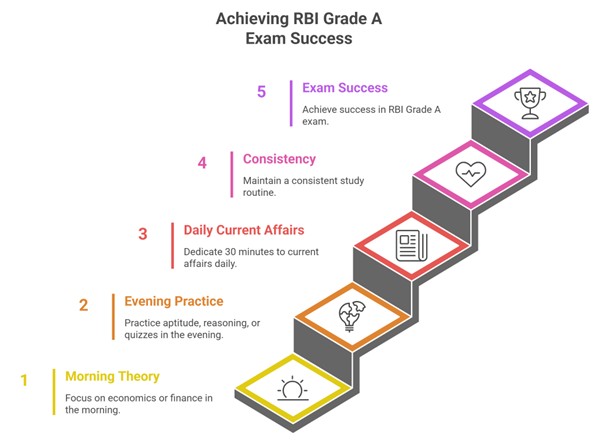
- Start with mornings for theory subjects like economics or finance.
- Keep evenings lighter by practicing aptitude, reasoning, or quizzes.
- Make space for current affairs every single day, even if it’s just 30 minutes.
A routine that fits your life will keep you consistent, and consistency is what cracks exams like RBI Grade A.
Smart Resources to Use as a Beginner
Don’t get lost in the pile of books and PDFs. As a beginner, less is more. Pick one standard book for each subject and stick with it.
For example, NCERTs for basics, one reasoning book, and a reliable source for current affairs.
For finance and economics, since RBI Grade A is still a rumoured exam, start with RBI Grade B resources but don’t dive too deep. Focus only on the basics like monetary policy, inflation, and banking structure.
Also, use free RBI notifications, press releases, and reports. They’re short, official, and give you an edge.
Remember, your goal isn’t to collect material, it’s to master what you have.
Final Word
RBI Grade A may still be a rumour, but it’s worth preparing for. The syllabus, if introduced, will likely be close to Grade B with some tweaks. Beginners don’t need to overcomplicate things. Stick to basics, build consistency, and use limited but good resources.
If the exam actually comes, you’ll already be ahead of the crowd. And if not, this preparation will still help you in other banking and regulatory exams. Either way, it’s a win.